

Best Puzzles for Seniors: Why "Tactile" Matters More Than "Easy"
Updated: Dec 5, 2025

As we age, keeping our minds sharp becomes a top priority. We all know that "use it or lose it" applies to the brain, which is why puzzles for seniors are often the 1st recommended activity by caregivers and doctors.
But there is a problem in the puzzle aisle.
Most puzzles marketed to seniors fall into two bad categories: they are either childishly simple (which feels patronizing) or physically frustrating (tiny cardboard pieces that are impossible to pick up).
Seniors deserve better. They deserve a challenge that respects their intelligence and materials that respect their dexterity. This is why the best puzzles for seniors aren't made of cardboard—they're made of wood.
The "Dexterity" Factor: Why Wood Wins
For many seniors, the biggest barrier isn't the mental challenge; it's the physical one. Arthritis or reduced fine motor skills make flimsy cardboard pieces a nightmare to handle.
This is where Circzles changes the experience. Because we use premium wooden puzzle pieces (made from solid, upcycled sawdust), they have heft.
Easy to Grip: The pieces are thick and substantial.
Satisfying Click: They lock together with a distinct "click," giving clear tactile feedback that the piece is in the right spot.
No Fraying: Unlike cardboard, the edges stay sharp and distinct, aiding vision.
The "Dignity" Factor: Art, Not Cartoons
A senior wanting to protect their memory doesn't want to build a cartoon farm animal. They want to engage with beauty.
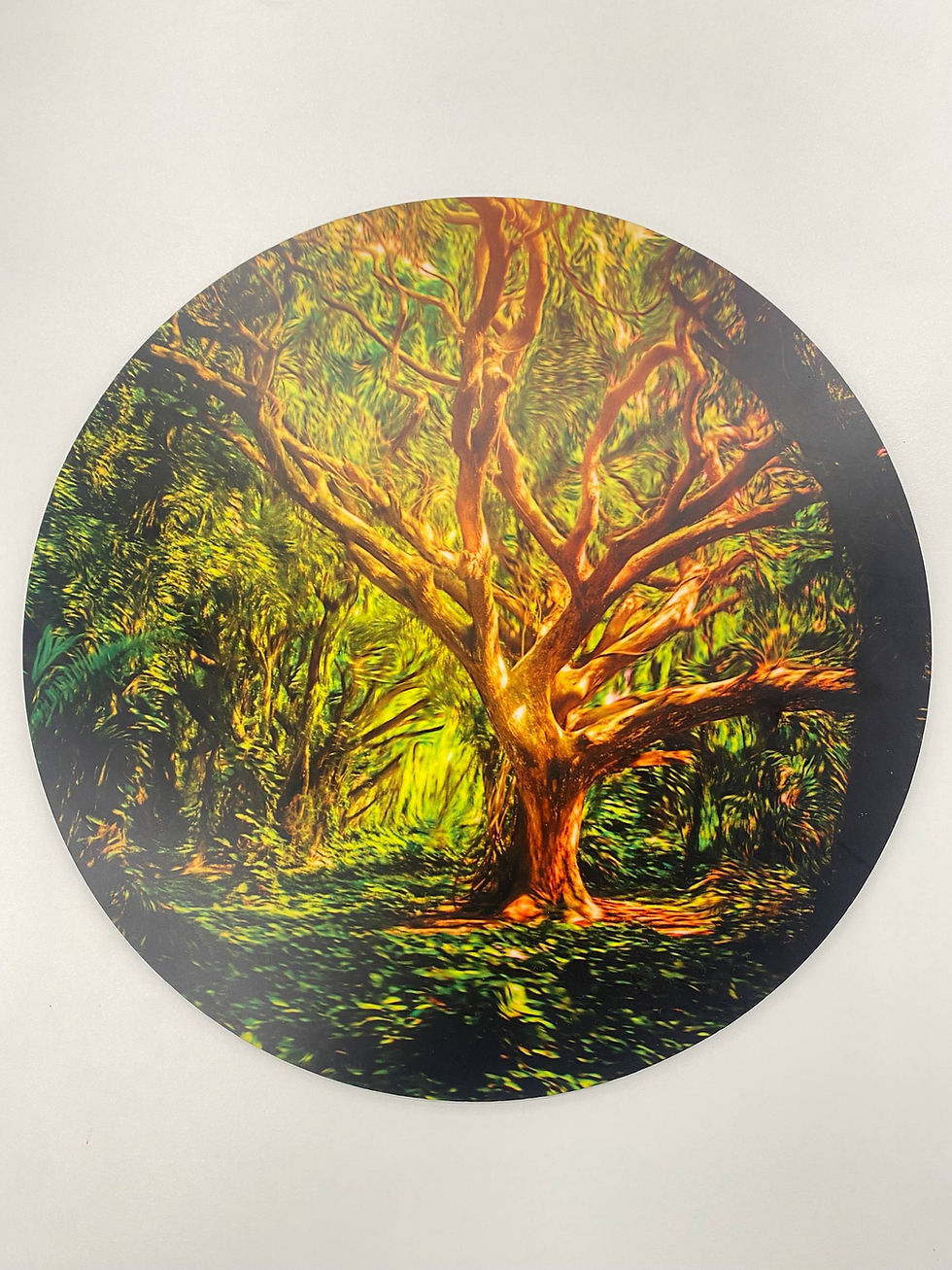
The ideal puzzles for seniors feature mature, complex art. Our themes—like Antariksh (Space) or Carbon-Based Life (Nature)—are designed for adults. They offer a dignified, artistic experience that results in a piece of creative decor, not a toy that goes back in a box.
You May Also Learn: Mindfulness Puzzles for Adults: The Ultimate Brain Game
The "Neurobic" Factor: A Gentler, Smarter Workout
Cognitive decline is often linked to a lack of new challenges. Doing the same crossword every day loses its effect over time.
The Circzles hexagonal grid offers a "neurobic" workout (aerobics for neurons). Because there are no straight edges, the brain has to work a little harder to recognize patterns. It’s a fresh, stimulating challenge that improves cognitive skills like spatial reasoning, without the stress of a 1,000-piece marathon.
The Connection Factor
Finally, a puzzle is a bridge. It’s a quiet, low-pressure activity that can be shared with grandchildren or caregivers. It facilitates conversation and connection without the need for constant eye contact, which can be incredibly soothing.
Final Thought: Give the Gift of "Respectful" Play
When choosing puzzles for seniors, look for quality. Don't buy a disposable toy.
Invest in a premium, tactile wooden puzzle that feels good in the hands, looks beautiful on the table, and treats the puzzler with the dignity they deserve.
Citation
The results suggested that jigsaw puzzling recruits multiple visuospatial cognitive abilities... and is a potential protective factor for cognitive aging. ... Puzzling is a low-stakes, high-reward activity that can be adjusted to any skill level.


Comments